
Every Flavour of Creative Strategy And How it Played Out in the Award Winners
‘’I know” said Tom. Let’s call it ‘every flavour of strategy’.
It was the end of a long session in which Tom Roach (Chair of Judges) and I were mulling over how to position the APG Creative Strategy Awards.
We wanted to open out the awards and welcome seriously fresh thinking and innovative strategies, including different disciplines from PR to brand via one-to-one, diverse strategy models and the myriad channels now available.
Reading that sentence you can see why we were having the conversation.
Leaving aside the potential for highly engaging visual gags involving ice cream, we liked this description because it was short, visual and memorable.
So when we launched the 2025 awards, we banged on about Every Flavour of Strategy from the off. We were pretty sure it captured the diversity of what we were looking for, but to be honest, we weren’t sure how it was going to land and whether people would interpret it as intended.
Lots of emails and questions came in, with people we’d not heard from before enquiring whether their case fitted the bill. So that seemed like a good sign. And 6 months later we received a record 150 submissions.
It felt like scoop upon scoop of different flavours had come in from brands and clients we’d never heard from before as well those closer to home, and they were truly energising:
An old museum that used hyper-personalisation to drive relevance with young Londoners
A mobile network that built an AI granny to scam the scammers
A fast food brand that embraced the power of small truths to deliver a big turnaround
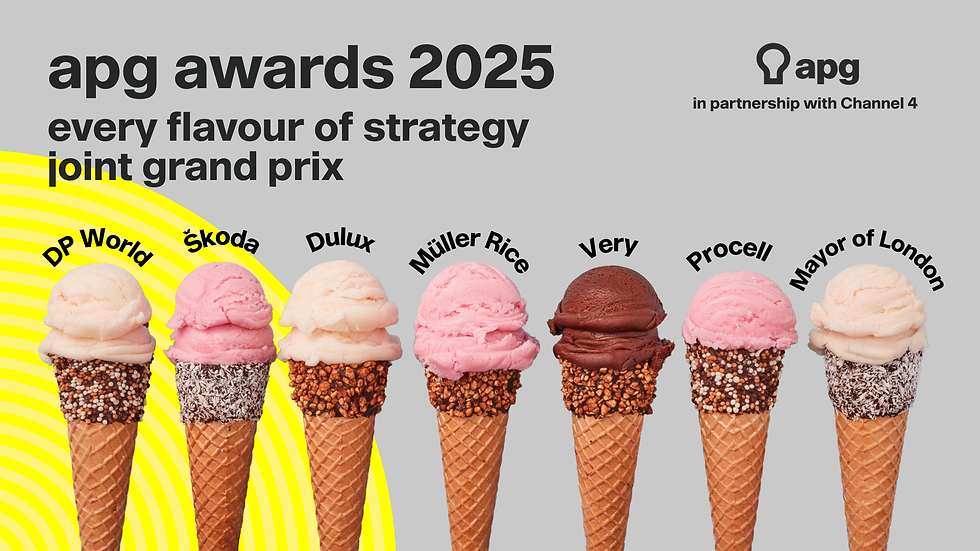
And it paid off in ways we had not expected. If you’d told me a year ago that we would award the Grand Prix jointly to 7 Gold winners I would have eaten my hat.
But in the event the diversity and brilliance of the different cases meant there was only one plausible outcome and the judges took it.
If I could have foreseen a Battle of Big Thinking in which 7 APG award winners gave their winning pitches to a rapt audience and then advocated competitively for their ‘flavour’ I would have been delirious.
The idea was to get the authors to describe exactly how they used creative strategy. They’d already told the story of what they did and how they did it so this was about working out the structure and foundation of the creative strategy - in their own words - so that other people could learn from and be inspired by it. And to give their flavour a title or a name.
It felt like creative strategy at its best: Playful, sometimes humorous, sometimes deadly serious but always imaginative and with proper impact in the real world.
The ‘flavours’ are a fascinating array of original thinking. They are extraordinarily diverse, hard to define as a group and just…inspiring. Look at how they’ve been branded.
Brand evangelism: Škoda
Reinvention: Poppy’s
Keeping it real: Pot Noodle (the ‘tastiest flavour’ by popular vote)
Clowning around: Müller Rice
Culture: Very
Actions speak louder than words: DP World
Reframe the Category: Procell
You can read the precise description of each flavour below.
The interesting thing is the different angle the authors take. We initially thought it was about roles and specialisms, types of agency and channel expertise. What the authors and winners brought were ways of describing different types of strategic thinking for brands. And that makes total sense. It shows that whatever role or specialist we may have, we are brought together by great strategic thinking.
So next time you’re sitting at your laptop and you’re looking for a way into a problem or a new way of cracking an old problem, cast your eye across these. They’re delicious.
Pot Noodle: Keeping it Real
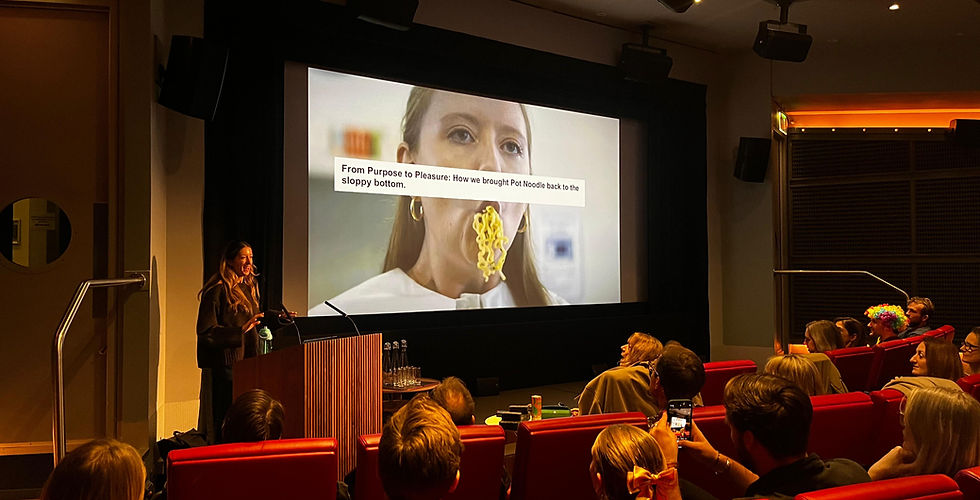
Maybe it’s time to cut the crap.
Because while everyone else is busy hyping up the next big trend and performing for likes on LinkedIn
The one thing planners have always been brilliant at is just keeping it real.
Remembering that feelings beat fancy frameworks.
And knowing that what makes a brand stand out isn’t following the crowd, but being unapologetically itself.
When you embrace your truth, your quirks, your flaws and your flavour - you become powerful. Memorable. And loved.
In other words… in a world of small plates, protein shakes and nutritional yeast flakes...
Be a Pot Noodle.
It’s much more fun. And much more effective.
Škoda: Brand Evangelism
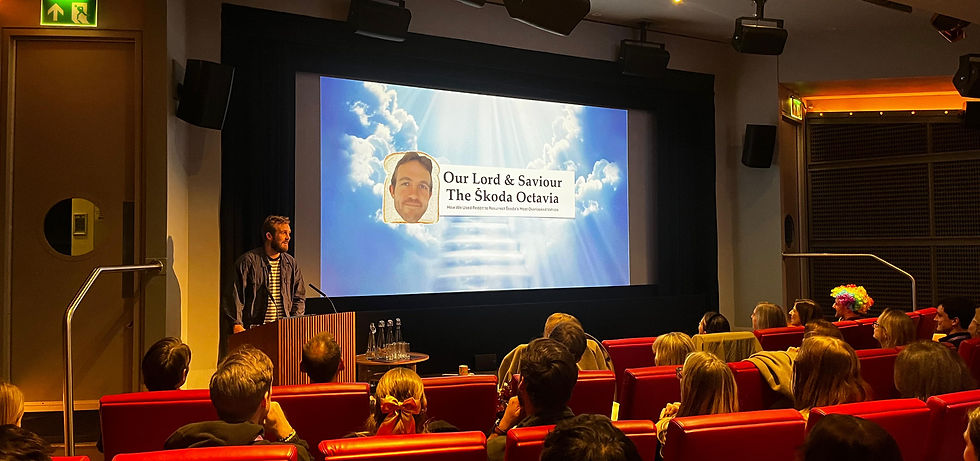
The world of mass media is getting darker and darker. It’s more expensive, more fragmented, and more ignored than ever before.
Brand Evangelism is a flavour of strategy that puts its faith in people. In real communities, conversations and the power of earned attention.
When we take the time to find our fans, understand what matters to them, and show up with something they genuinely value, we can start conversations that actually move our brands forward.
Because when people start talking passionately about something, everyone else takes notice. Including ChatGPT and the other LLMs (who are increasingly scraping from social forums like Reddit).
And that’s when the magic happens: fans turn into evangelists, and given a platform, their passion spreads and converts the mainstream, creating real business impact that no media plan could buy on its own.
Müller Rice: Clowning Around

Big, insight-led ideas have always been the backbone of great strategy… So what is the argument for doing the total opposite?
‘Clowning around’ deserves its moment in the sun... not because it’s the smartest by any means, but because it has become crucial.
In our new chaotic world of fragmented media and fleeting attention, the Muller Rice story is an example of what strategy can be.
What strategy sometimes needs to be when you’ve got an outmoded product and an audience that simply doesn't care.
In a room full of brains, it's a timely reminder that sometimes the smartest thing you can do… is be a little dumb.
Poppy’s: Reinvention

There is a wonderful Steve Jobs quote. He talks about how the moment he realised he knew what he wanted to do was when he looked around and realised the world had all been created by people; people who were no better or no more interesting, or no more creative than you. And that means that you can create a different world if you want to.
Reinvention is the essence of strategy, asking why something is as it is and then working out how it can be different. It's the heart of all innovation and the innovations can be really small - like changing a small local norm in terms of how funerals are done - or really large, in terms of changing everything in the entire world.
Very: Culture

In today’s world of content overload, attention has to be earned.
And the brands that win the battle for attention most often are the ones that tap into the conversations, movements, and values their audiences care about rather than just spouting RTBs.
But you can’t just borrow a trend or ride a cultural wave if it’s not who you are. It’ll feel forced, confusing and just won’t stick.
The cultural movements and moments you tap into have to be true to your brand’s DNA. When you build your brand at the intersection of brand culture and audience culture, it cuts through the content clutter and builds a brand that people don't just buy from, they buy into. And that’s a future-proof strategy.
DP World: Actions speak louder than words
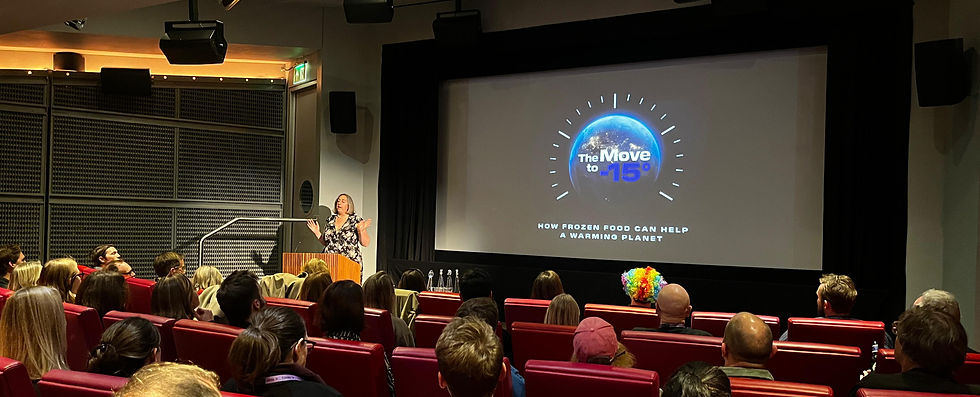
In a comms agency we don’t have the luxury of controlling every aspect of our campaign. We really have to work and sweat for every share of our audience‘s attention, so how do we do that?
We believe that nothing that anyone says matters as much as what they do. No word however carefully chosen, no image however beautifully crafted, are going to convince and motivate people to act on behalf of your brands as much as what they see you doing in the world.
So, we believe that strategy should always be grounded and identify meaningful action that solves real world problems for audiences, in a space where our clients have permission to play. Because we believe that action is what builds trust, trust is what builds growth, so it’s action over anything we say.
Procell: Reframe the Category

People buy categories - whether that’s a washing machine, a car, or a tasty snack. And in this case we’re talking B2B. And within that, they buy a brand. If you can rewire, change, re-frame how someone relates to an entire category, it puts you in charge. It also means that you dictate the terms.
Procell moved from a focus on competitive search to reframing and changing an entire mindset of the buyers, by exposing value in the market and showing the hidden costs that are implicit when you’re buying cheap and therefore you’re buying twice.


Comments